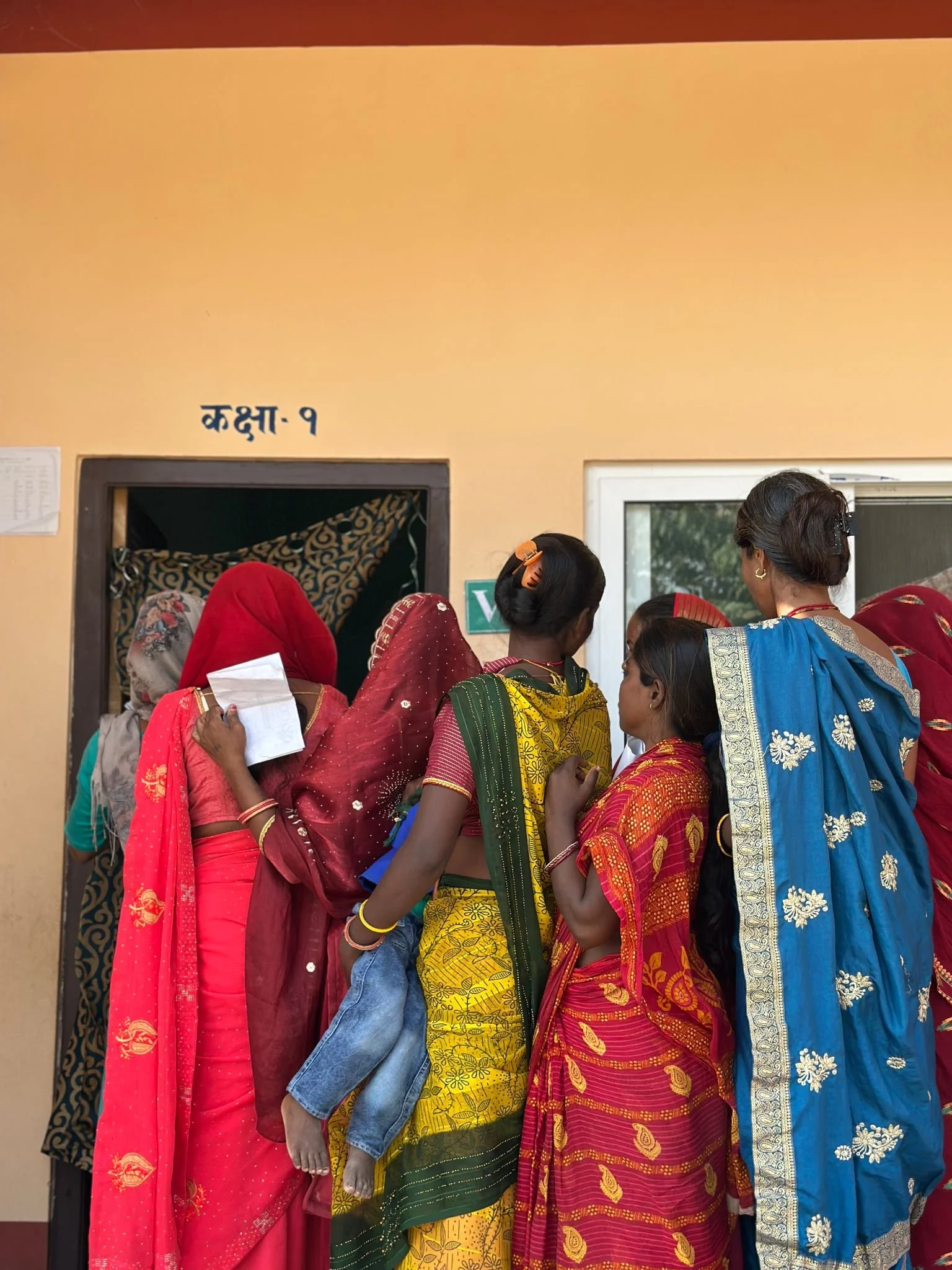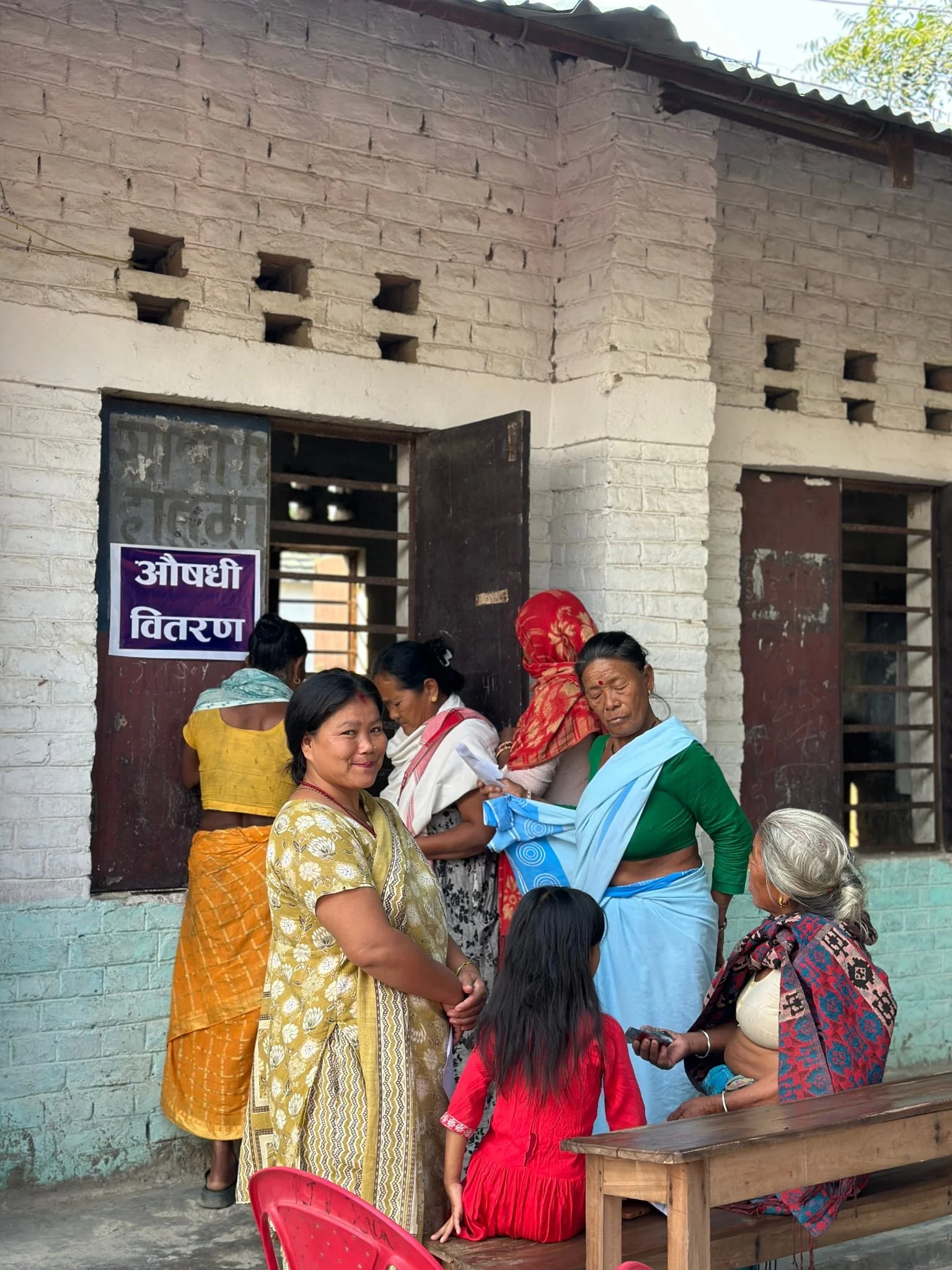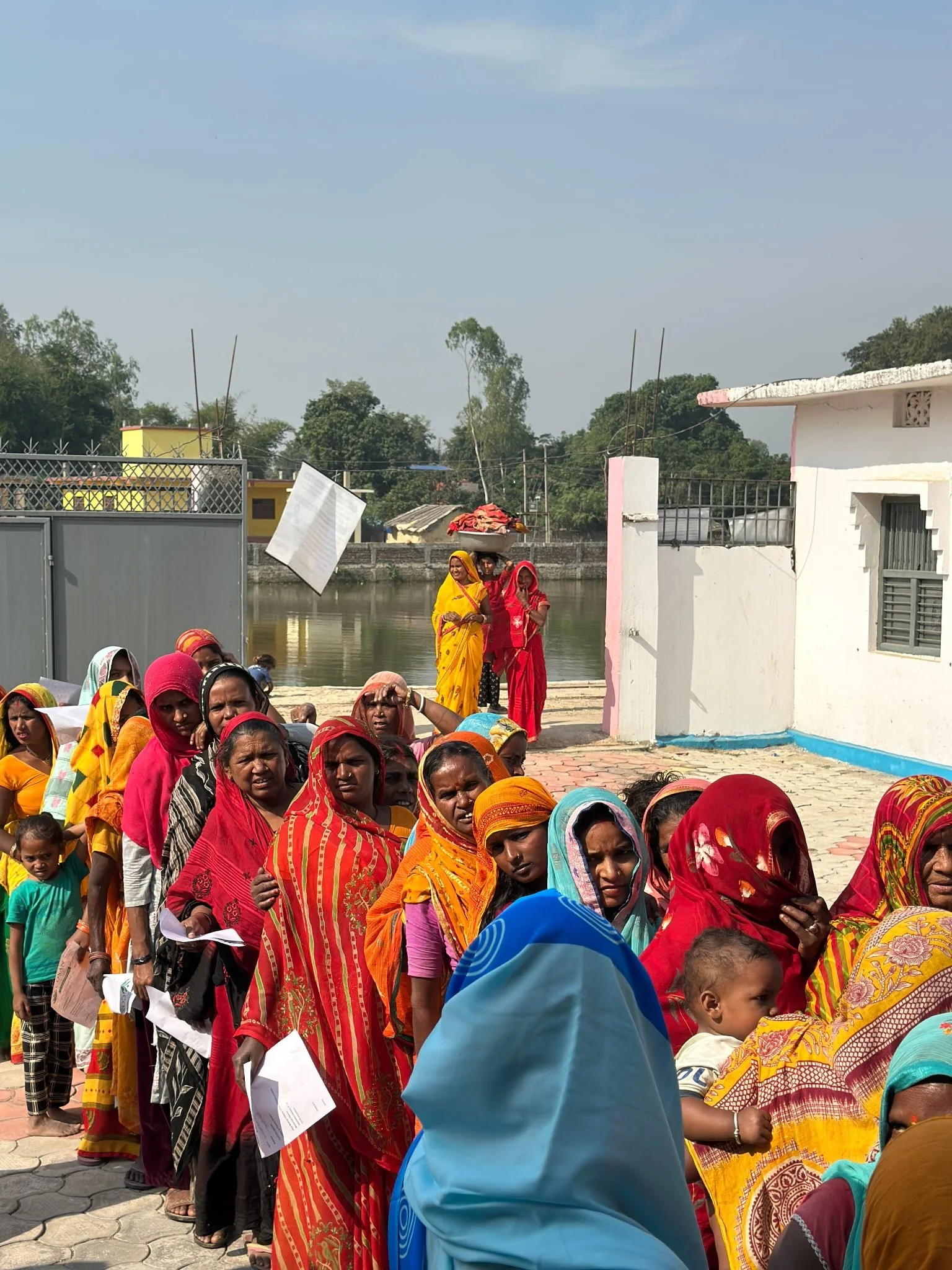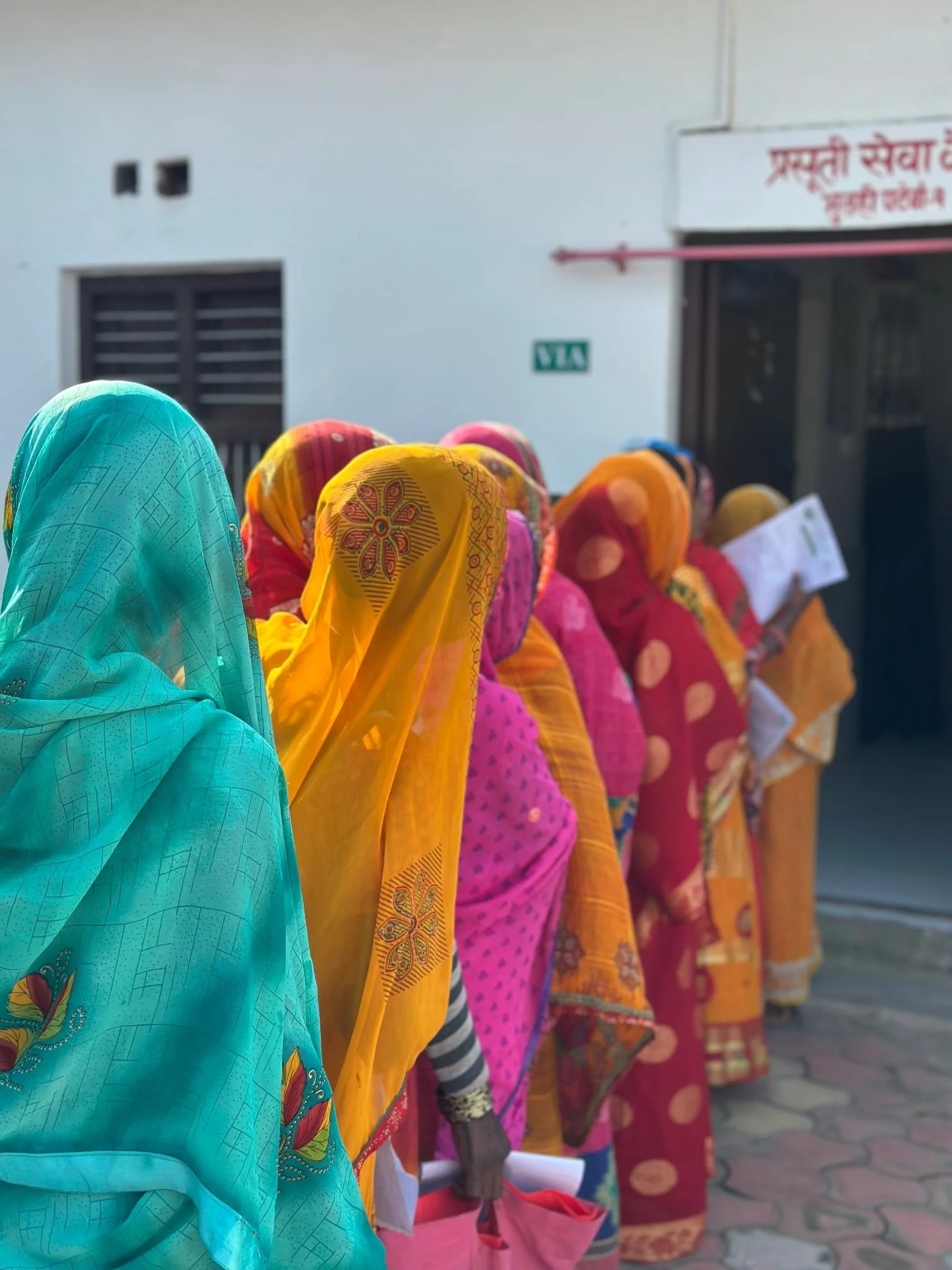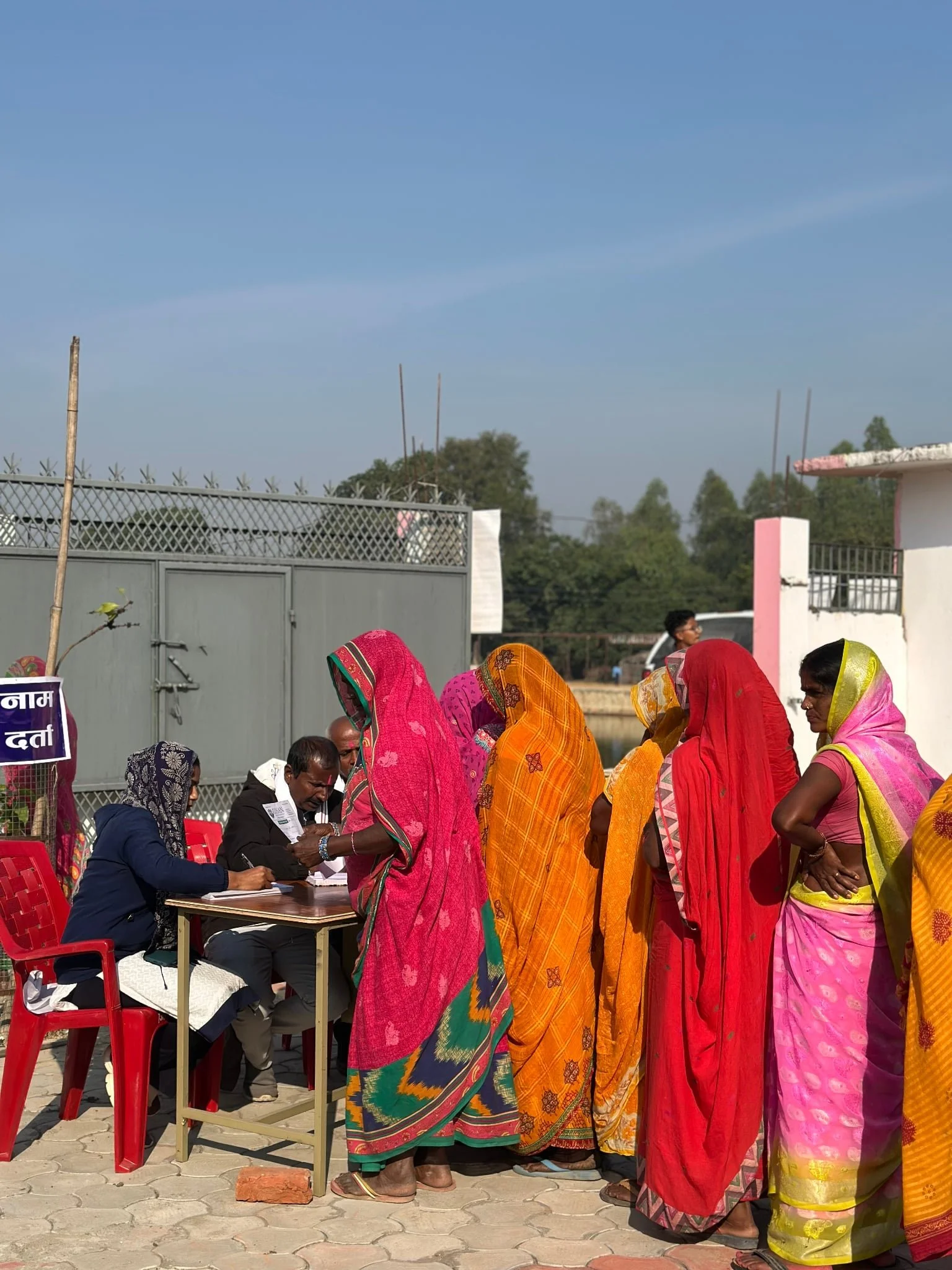
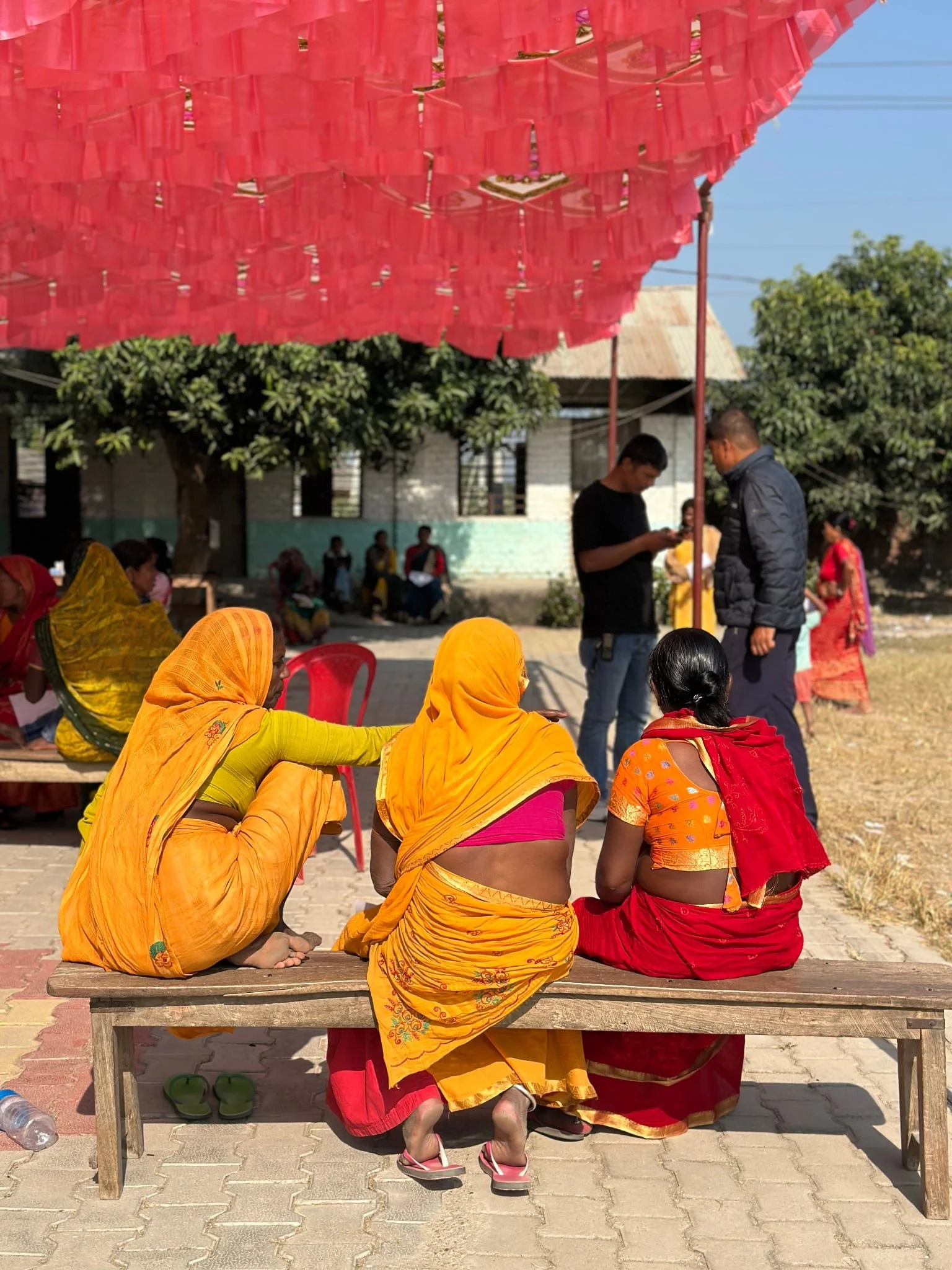
In December 2025, I had the privilege of travelling to Nepal and witnessing firsthand COSAN’s incredible work in providing integral women’s healthcare to rural communities. This experience profoundly shaped my understanding of global health inequities and highlighted just how much of a privilege access to healthcare truly is.
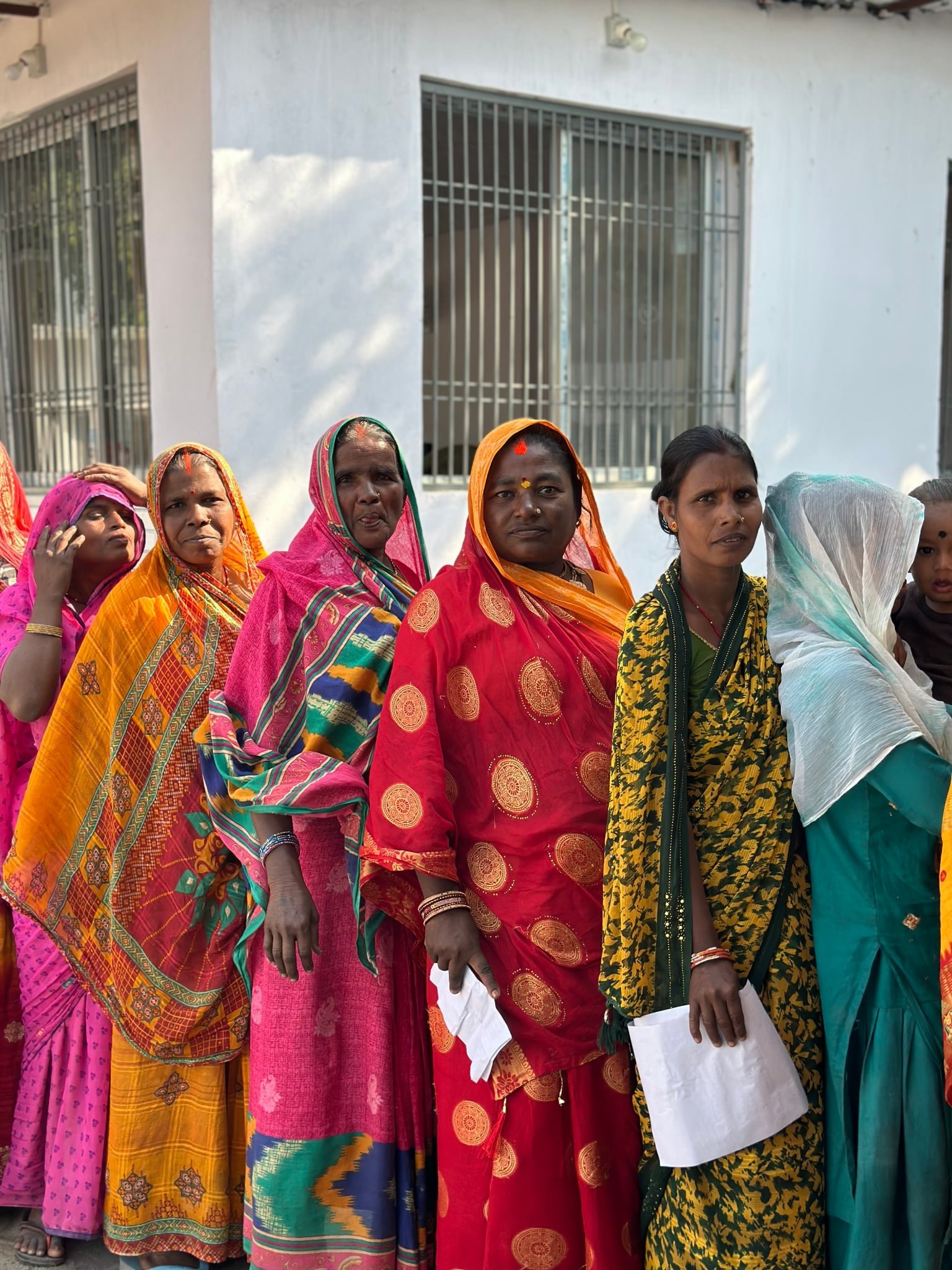
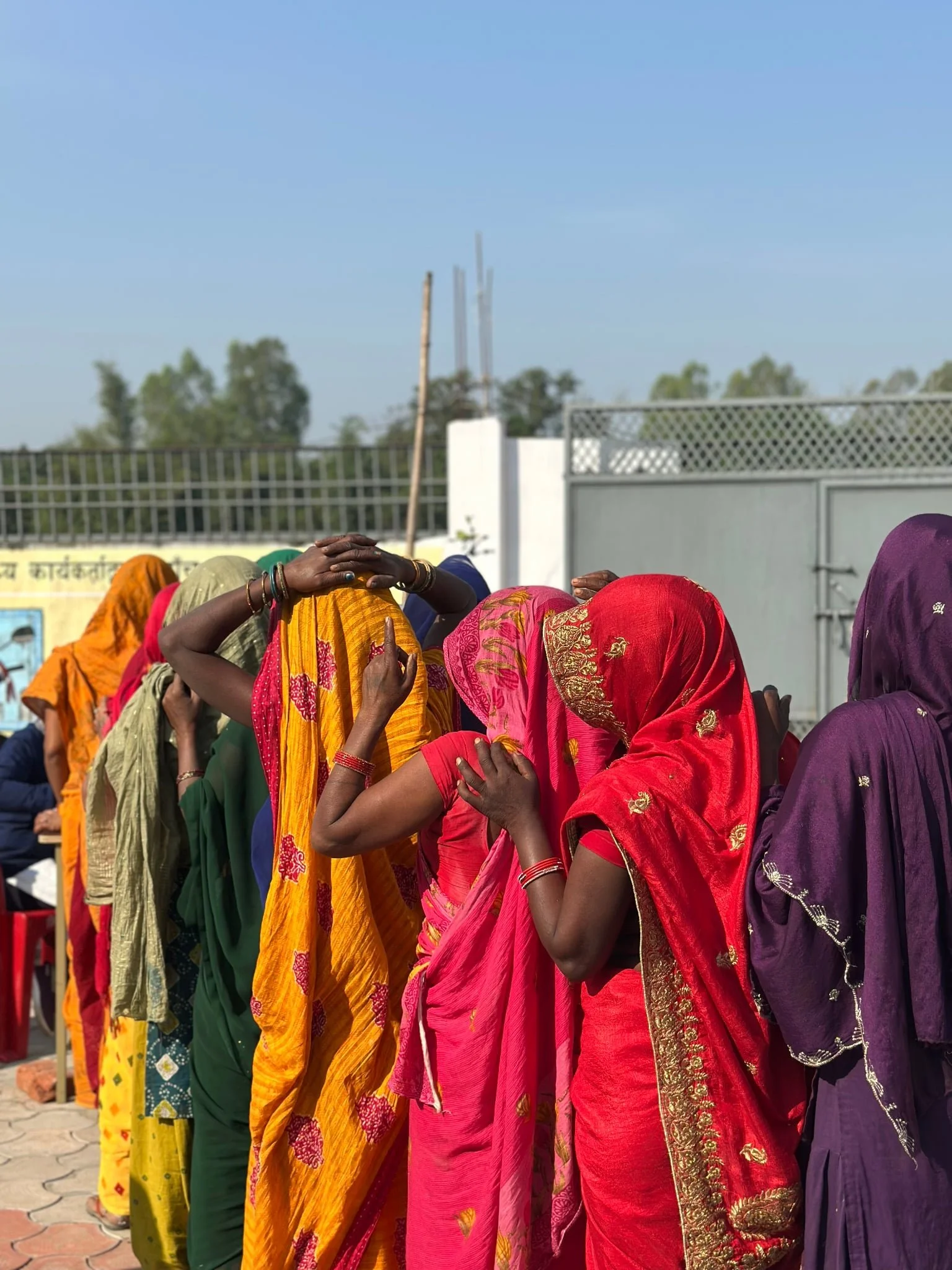
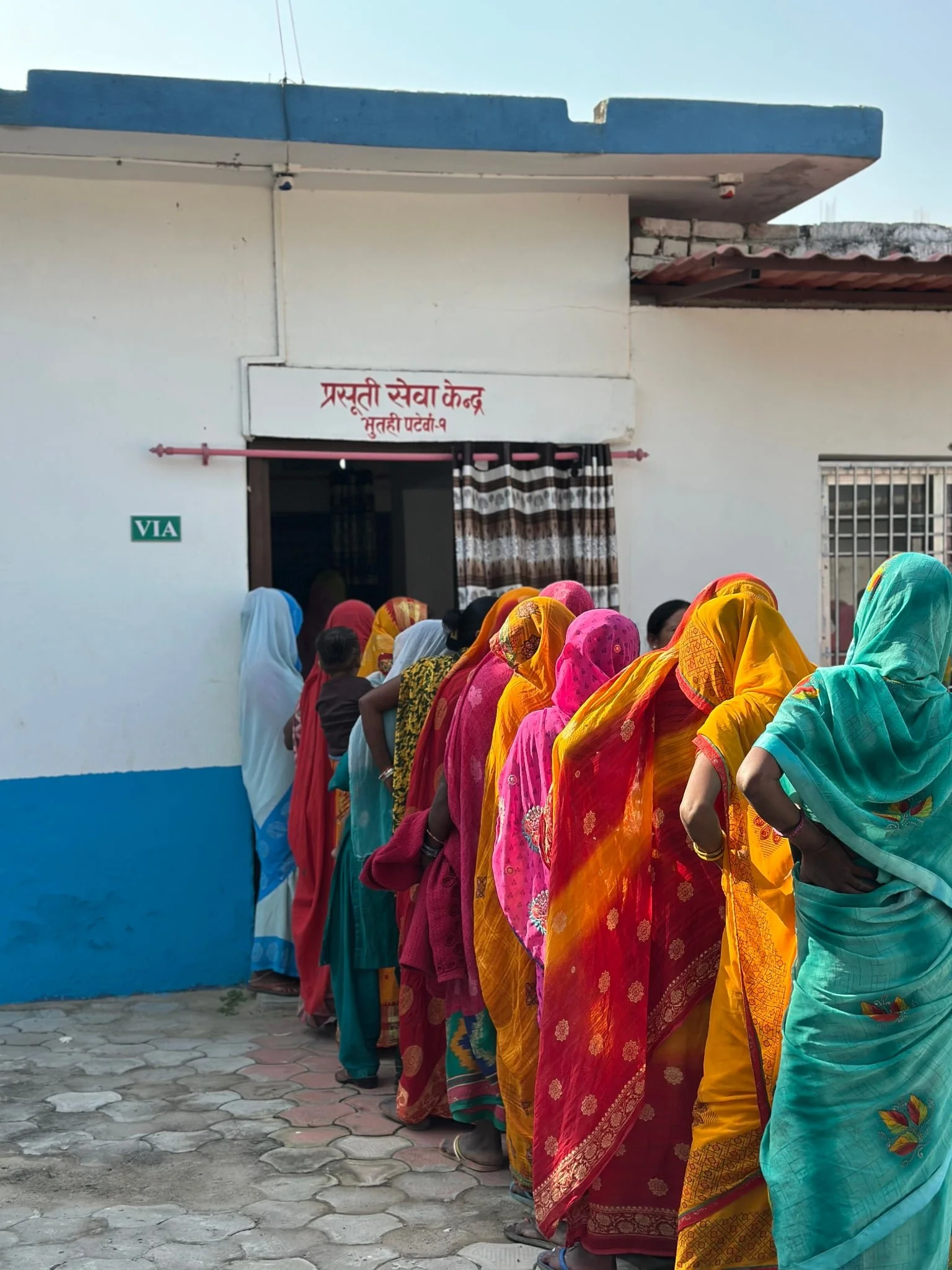
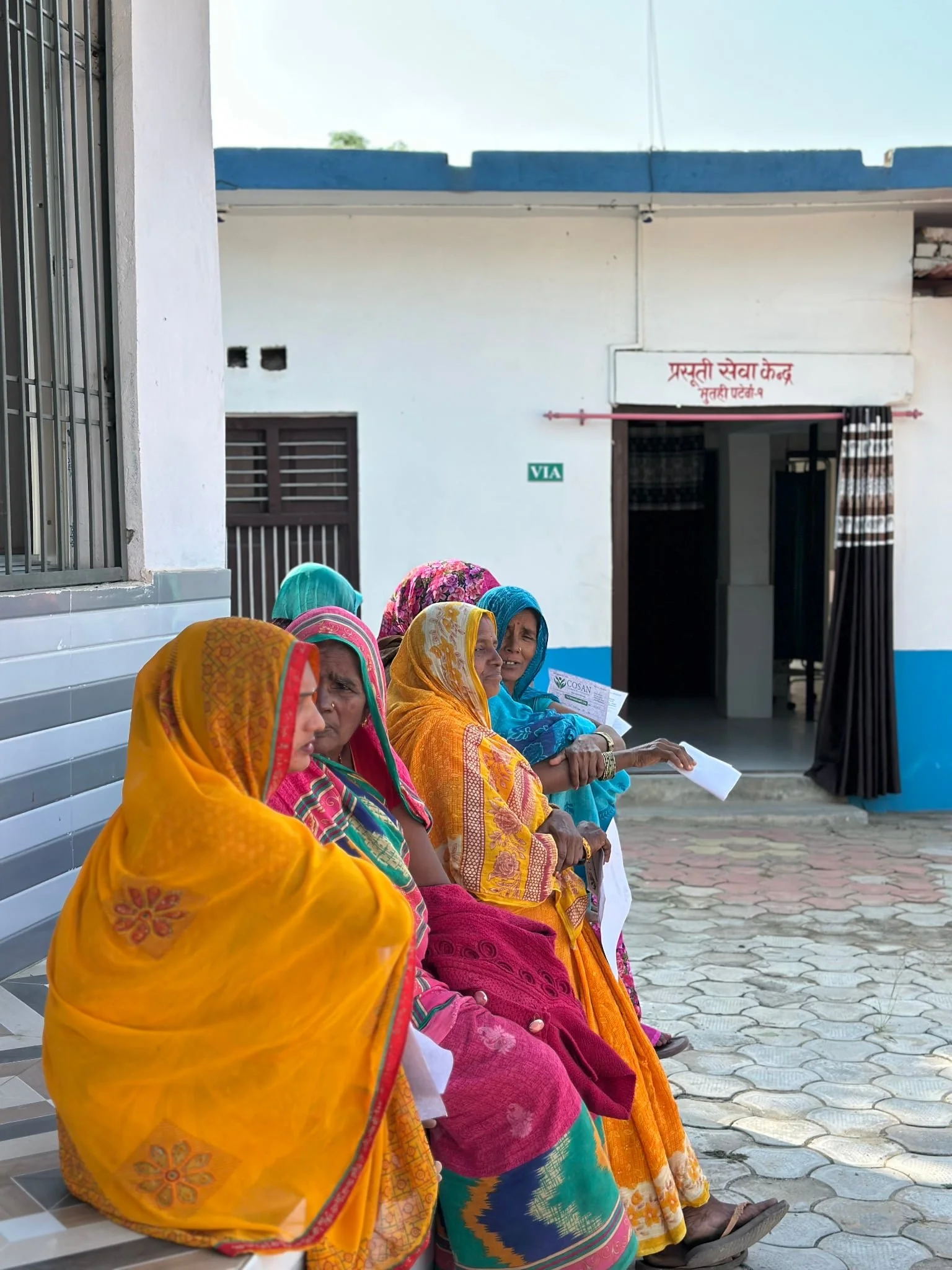
Over the three days I attended the camp, I was blessed to be part of a team caring for 875 women. These women received vital medications, cervical cancer screening, gynaecological assessments, and prolapse care, services that significantly improve quality of life. Many had travelled long distances to attend, and for some, this was their very first opportunity to speak openly about reproductive health concerns they had endured silently for years. While access to healthcare is rare in rural Nepal, it was not only the significance of the services provided that made the camp so impactful. It was also the joy, compassion, and dedication with which the team worked. Nurses, doctors, pharmacists, administrative staff, and operational volunteers worked tirelessly to deliver quality care directly within village communities. The team’s passion stirred my own commitment to global healthcare to new heights.
Beyond the numbers and services provided, it was the stories of the women themselves that left the deepest impact on me.
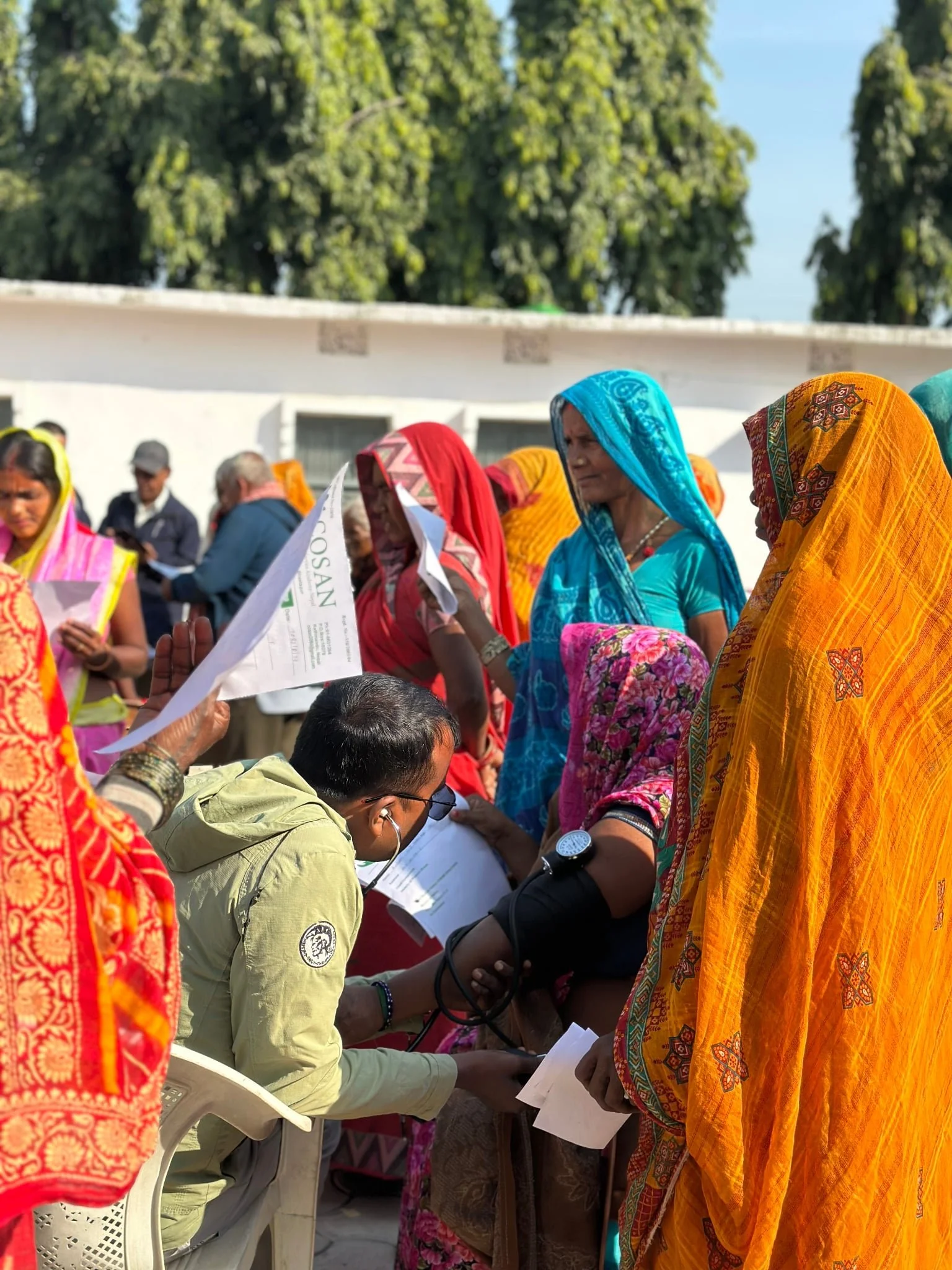
One young woman’s story will stay with me forever.
She was undergoing an ECG as part of her pre-operative assessment for prolapse surgery. Sitting beside her was her young child, but there should have been two. Her youngest child had recently died from a snake bite.
As she tearfully recounted her loss, I was confronted by the reality of what limited access to healthcare truly means. There had been no nearby hospital, no accessible medical team, no available medication, and no ambulance able to reach her and her child in time. While she was overjoyed at the opportunity to have surgery and live free from the pain of prolapse, she carried the unimaginable grief of losing a child to something potentially treatable. I felt the weight of that contrast deeply. I thought about the access to emergency care that I am afforded in Australia compared to the absence of options she faced. Her grief was profound, yet so was her resilience.
What struck me most throughout the camp was not only the medical need, but the strength and solidarity among the women. Many were living with advanced uterine prolapse and chronic gynaecological conditions, yet they continued to carry heavy physical loads, work in the fields, walk long distances, and care for their children and extended families. Most had endured years of discomfort, pain, and embarrassment, silently adapting their daily lives around debilitating symptoms. Despite this, they showed extraordinary resilience. Many travelled in groups, encouraged by women who had attended previous camps. The trust built over years of consistent outreach has created a ripple effect within these communities, with women encouraging one another to seek care, speak up, and prioritise their health. COSAN has become a vital and trusted presence in Nepal’s healthcare delivery.
Being part of this experience reaffirmed for me the broader mission of Ubuntu Through Health, not only to support women’s health initiatives, but to work toward equitable access to healthcare globally. This experience did not simply teach me about health disparities. It strengthened my conviction that access to safe, dignified healthcare shouldn’t be just a privilege, but a fundamental right.
I am deeply grateful to be part of Ubuntu Through Health’s mission to serve communities with compassion, practical support, and a vision for global healthcare equity, and I am proud of the vital work COSAN continues to do in Nepal.
Shimila Hartley